Dry Storage in Jeddah: The Port-City Warehousing Guide for 2026
Jeddah’s position as Saudi Arabia’s busiest maritime gateway makes it one of the most important hubs for warehousing in the entire Kingdom. For importers, distributors, and retailers, finding dependable dry storage in Jeddah is often the single biggest factor separating a smooth supply chain from a chain of costly delays. With container volumes through Jeddah Islamic Port continuing to rise in 2026, businesses that haven’t locked in solid warehousing arrangements are discovering just how quickly capacity can disappear during peak shipping seasons.
This guide covers what dry storage actually protects against, how to evaluate a facility near the port, and where frozen storage fits in when your product mix spans multiple categories.
Why Dry Storage in Jeddah Is Different From Inland Warehousing
Jeddah’s coastal climate brings humidity levels that inland cities like Riyadh rarely experience. Goods arriving by container often carry residual moisture from sea transit, and without proper dehumidification, that moisture can trigger mold, corrosion, or packaging degradation within days of arrival.
Common Risks Without Proper Dry Storage
- Cardboard packaging weakening and collapsing under pallet weight
- Corrosion on metal fittings, electronics casings, and machinery parts
- Mold growth on textiles, paper goods, and organic materials
- Pest infiltration drawn to humidity pockets near loading docks
A facility built specifically for Jeddah’s climate addresses these risks with proper ventilation, moisture barriers, and consistent airflow — something generic storage units rarely account for. This is exactly why purpose-built Dry Storage in Jeddah facilities have become the default choice for importers who previously relied on converted shipping containers or repurposed retail space near the port.
It’s worth noting that “dry storage” does not mean the absence of any climate equipment. Reputable facilities still run dehumidification systems and air exchange cycles around the clock — the goal is simply a stable, low-humidity environment rather than active refrigeration. Skipping this layer of control to save money up front almost always costs more later in damaged or rejected inventory.
What to Look for in a Dry Storage Facility Near the Port
Proximity to Jeddah Islamic Port matters, but it isn’t the only factor. A warehouse five minutes from the port with poor humidity control will cost you more in damaged goods than a facility twenty minutes away with proper climate management.
Road access matters just as much as straight-line distance. Jeddah’s trucking routes near the port can back up significantly during peak container unloading hours, so a facility’s actual drive time during business hours often differs sharply from what a map estimate suggests. Ask any prospective provider for real transit times logged from recent shipments, not just an estimated distance.
Essential Facility Standards
- Documented humidity monitoring, ideally below 60% relative humidity
- Elevated pallet racking to avoid floor-level moisture exposure
- Fumigation and pest control schedules on record
- Dock-to-storage transfer times fast enough to limit outdoor exposure
Working with an experienced local team that understands Jeddah’s seasonal humidity patterns — particularly during the humid summer months — makes a measurable difference in how well your inventory holds up between arrival and distribution.
Comparing Storage Options for Mixed Product Lines
Many importers handle a mix of shelf-stable goods and perishables within the same shipment. Understanding which tier each product needs avoids costly mistakes.
| Storage Type | Humidity/Temp Target | Typical Goods |
|---|---|---|
| Dry Storage | Below 60% RH, ambient temp | Textiles, electronics, dry food, packaging |
| Frozen Storage | -18°C or colder | Seafood, meat, frozen produce |
| Chilled Storage | 0°C to 4°C | Dairy, fresh produce, beverages |
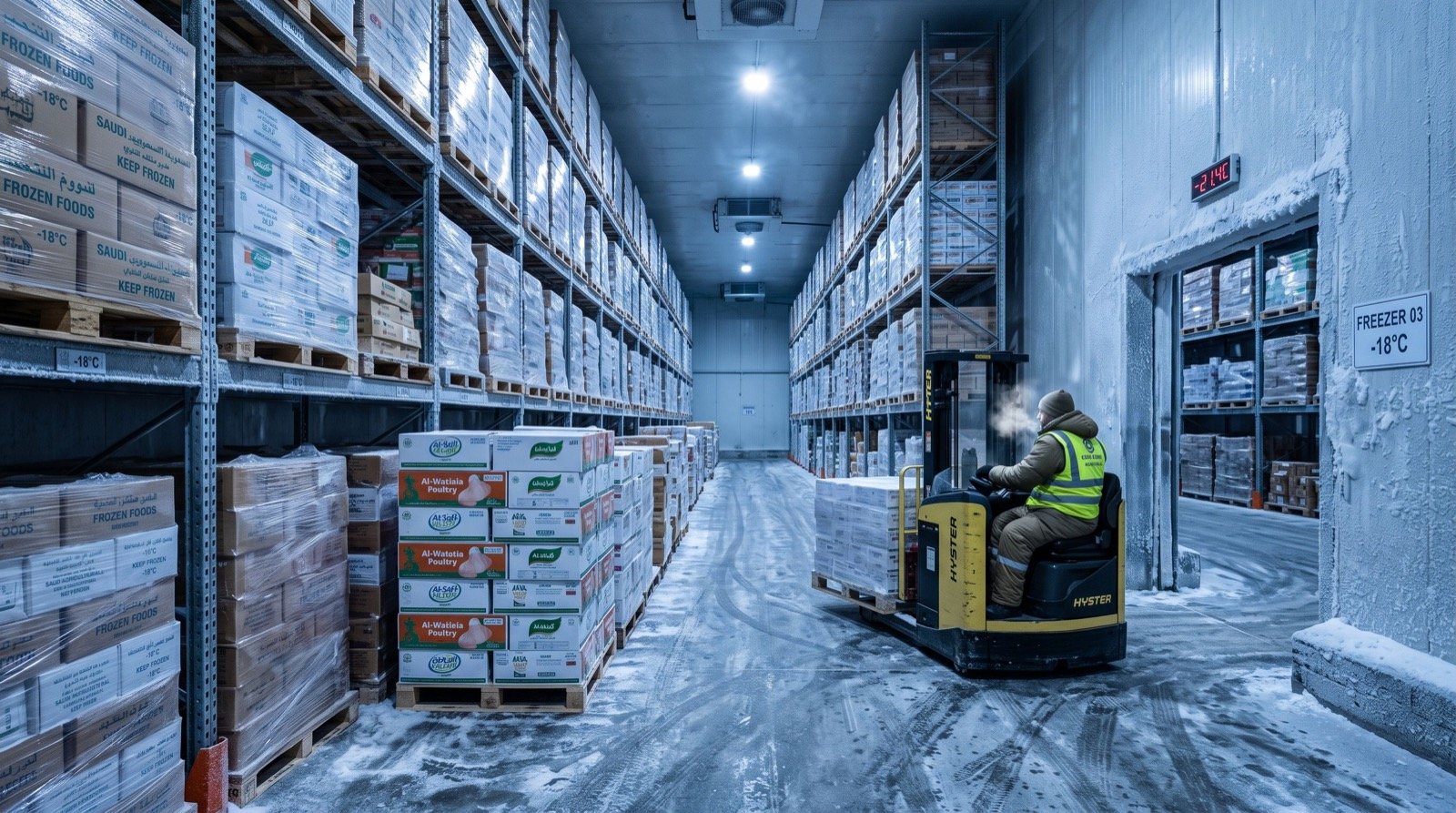
Importers bringing in both dry goods and perishable cargo through the same port often consolidate with a single provider that also offers Frozen Storage in Jeddah, which simplifies customs clearance logistics and reduces the number of trucking legs needed between the port and final storage.
Port Logistics and Customs Timing
Delays at customs are one of the most common reasons dry goods sit exposed to humidity longer than planned. Coordinating closely with your storage provider on expected clearance windows helps avoid the scenario where a shipment clears customs on a Thursday afternoon but sits on an uncovered dock until Sunday.
A Practical Tip for Reducing Exposure Time
Pre-arrange a standing transfer slot with your warehouse before your vessel’s estimated arrival date, rather than calling once the container has already cleared. Facilities with reserved capacity can often move goods from port to climate-controlled storage within hours instead of days, which meaningfully cuts humidity exposure during Jeddah’s hottest, most humid stretches.
This approach also helps with trucking costs. When a warehouse already has a dock slot reserved and a crew scheduled, you avoid the premium rates that come with last-minute, same-day transfer requests — a cost that catches many first-time importers off guard during their initial shipping cycles.
The Saudi Ports Authority (Mawani) publishes updated guidance on container dwell times and terminal operations that’s worth reviewing periodically — you can find current operational updates on the Saudi Ports Authority website.
Cost Factors for Dry Storage in Jeddah
Pricing depends on pallet density, storage duration, and whether the facility offers value-added handling like relabeling, repackaging, or cross-docking. Long-term contracts generally offer lower per-pallet rates, but businesses with unpredictable import schedules often benefit more from flexible, volume-based pricing that avoids paying for unused capacity.
Retailers evaluating vendors for the first time can also learn from how other industries structure due-diligence checklists — resources curated for parents vetting services, for example, outline similarly practical frameworks for comparing experienced local team options, and many of the same reliability and responsiveness questions apply directly to warehousing vendor selection.
Frequently Asked Questions
Why does Jeddah need different dry storage standards than Riyadh?
Jeddah’s coastal humidity is significantly higher than Riyadh’s dry inland climate, requiring stricter moisture control to prevent mold, corrosion, and packaging damage in dry-goods warehousing.
How quickly should goods move from the port to dry storage?
Ideally within hours of customs clearance. Extended exposure on uncovered docks in Jeddah’s humidity significantly increases the risk of moisture-related damage to sensitive inventory.
Can one provider handle both dry and frozen storage for mixed shipments?
Yes. Many established warehousing operators near Jeddah’s port offer multiple storage tiers under one contract, which simplifies logistics for importers handling varied product categories.
What humidity level should a dry storage facility maintain?
Most reputable facilities target relative humidity below 60% to protect packaging integrity, prevent mold growth, and limit corrosion risk on metal components.
Final Thoughts
Dry storage in Jeddah is far more technical than it sounds, and the humidity-driven risks unique to the port city punish businesses that treat warehousing as an afterthought. As import volumes keep climbing through 2026, lock in a facility with proven climate management now, before peak shipping season tightens capacity across the city. Request a site visit and a detailed quote before your next container arrives.